The most common misunderstandings about FND….and what the science actually tells us.
Mar 12, 2026
Living with Functional Neurological Disorder (FND) can be confusing. Many people hear things that are untrue, unkind, or based on old ideas. These misunderstandings can make you feel scared, blamed, or alone.
This guide clears up some of the most common myths.
Our goal is to help you feel understood, supported, and hopeful.
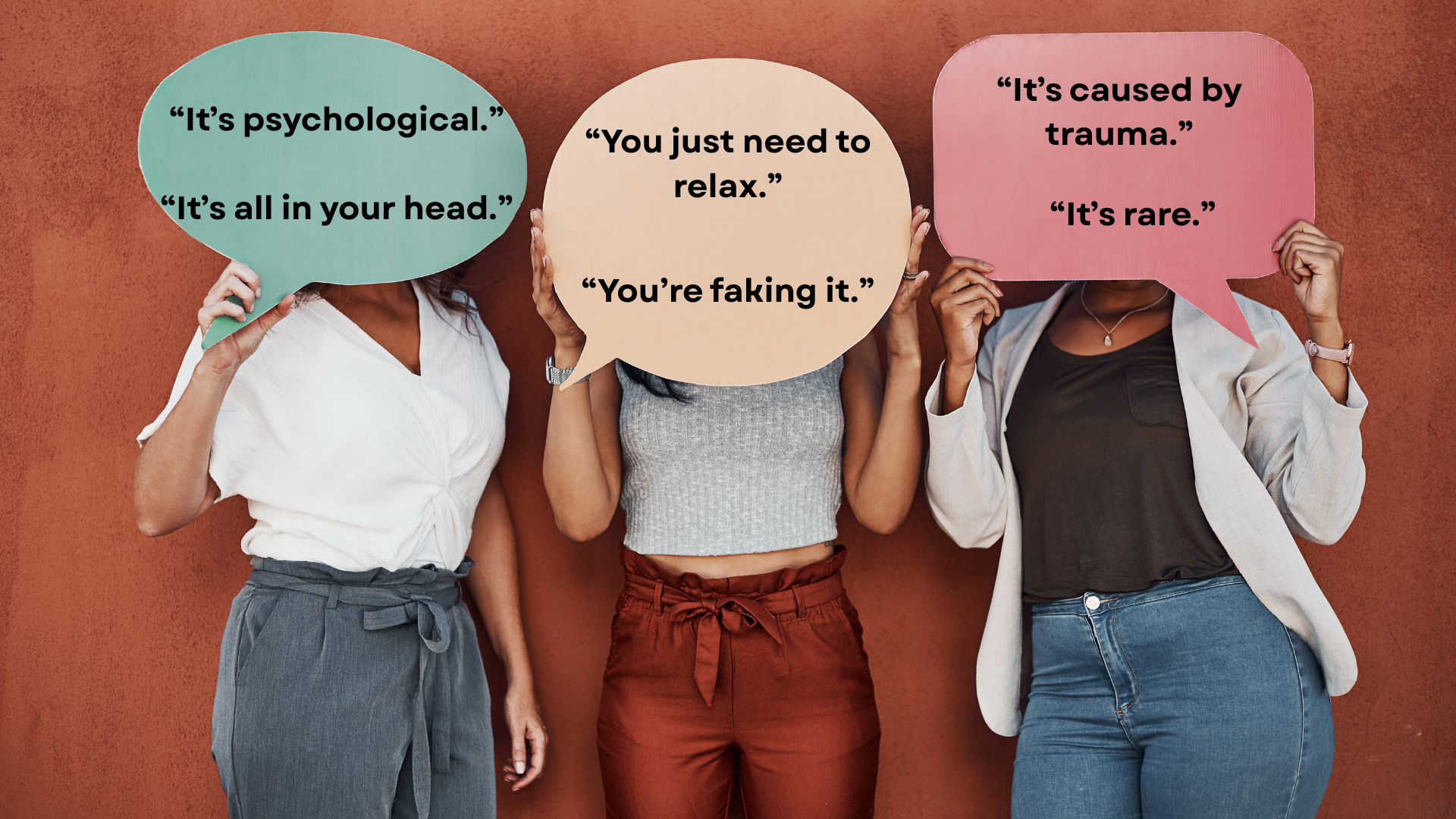
“It’s psychological.”
People often say FND is “just stress” or “all emotional.”
This is not true.
FND is about how the brain and body send signals, not about your personality or emotions. Your brain is working hard, but the automatic pathways are not firing in the usual way. This can cause real symptoms like weakness, shaking, pain, or blackouts.
Stress can make symptoms louder, but it is not the cause. Stress can make FND symptoms feel stronger or more noticeable, but it is not the root cause of the condition. But stress does not create FND on its own, and it does not explain the full picture. FND happens because the brain’s automatic pathways are not sending and receiving signals in their usual smooth way.
“It’s all in your head.”
This phrase is hurtful and wrong.
Your symptoms are real. Your body is reacting in real ways.
You are not imagining anything. FND changes how the brain controls movement, sensation, and attention. These changes can be seen in MRI research studies. Studies show that the brain areas that plan movement are working, but the areas that carry out movement don’t switch on in the normal way.
The brain is working, but the messages are getting mixed up. These changes are not your fault and not under your control. Your experience is valid.
“You’re faking it.”
Many people with FND fear others won’t believe them.
But the science is clear: FND is not fake, made-up, or under your control. The science shows that FND symptoms come from real changes in how the brain sends and receives signals, not from choice or control. Research using brain‑activity scans has found that the brain is working hard during symptoms, but the communication pathways that normally guide movement, sensation, and attention are not working in their usual smooth way.
Your symptoms happen automatically. You cannot “just stop them,” the same way you cannot stop a sneeze or a reflex. FND is a genuine health condition, and you deserve care and respect.
“You just need to relax.”
Relaxing can help anyone feel calmer, but it does not switch FND off. Feeling calm can lower tension in the body, but FND is not caused by worry or stress alone.
Recovery comes from helping the brain relearn smoother, safer patterns over time. This takes time, support, and practice. Feeling pressure to “calm down” or “try harder” will not help you manage FND.
“It’s caused by trauma.”
Some people with FND have a history of trauma. Many do not.
There is no single cause of FND. It can happen after illness, injury, stress, pain, or sometimes for no clear reason at all. Trauma is only one possible piece of the puzzle, not the whole story.
You do not need a trauma history to have FND.
“It’s rare.”
FND is actually one of the most common conditions seen in neurology clinics.
Many people live with it, even if they don’t talk about it. You are not alone, and you are not unusual.
More research is happening every year, and understanding is growing fast.
What the science actually says
- FND is common and well‑recognised. Many neurology clinics see people with FND every week. You are not alone, and you are not unusual.
- Your symptoms are real. They come from real changes in how the brain sends and receives signals.
- Your brain and body are not damaged. Nothing is “broken.” The wiring is still there. The brain is simply using patterns that are not helpful right now, and these patterns can change.
- Recovery is possible because the brain can relearn. The brain has something called neuroplasticity, which means it can form new pathways and strengthen new habits. With the right support, the brain can learn safer, smoother, more automatic ways of moving and responding again.
- A team approach can help. Many people benefit from support from a multidisciplinary team (MDT), such as physiotherapists, psychologists, occupational therapists, speech therapists, and doctors working together to understand FND.
- You deserve care that is kind, clear, and hopeful. FND recovery works best when people feel safe, understood, and supported (not blamed or dismissed).
At our clinic, we believe in giving people the right information, the right support, and a safe space to rebuild confidence. You do not have to face FND alone.
What FND Is
FND happens when the brain and body stop working together in their usual automatic way. The “wiring” is still there, but the signals and communication between the body and brain get mixed up. This can affect movement, speech, sensation, and many other things.
There is no damage to the brain.
The problem is in the communication, not the structure.
Think of it like a computer that freezes even though the hardware is fine. The system needs a reset, not a repair.
How Recovery Works
Recovery is about helping the brain relearn safer, smoother, more automatic patterns.
This happens through:
- Feeling safe
- Moving in gentle, supported ways
- Shifting attention away from symptoms
- Doing small, meaningful activities
- Repeating these things over time
The brain learns by experience. Every time you move, breathe, or act in a way that feels safe and steady, your brain gets a new message:
“This is okay. I can do this.”
Little by little, these moments add up.
This is how the brain-body system improves communication and rewires itself.
Stay connected with news and updates!
Join our mailing list to receive the latest news and updates from our team.
Don't worry, your information will not be shared.
We hate SPAM. We will never sell your information, for any reason.